

amun26.com

JUNE 5–7, 2026 • DUBAI, UAE

Ambassador Model United Nations 2026

Where Diplomacy Meets Perspective
Days
Hours
Minutes
Seconds

Conference Theme

Collaborative Innovation in Diplomacy: Shaping a Responsible Tomorrow

Redefining the MUN Experience

Ambassador Model United Nations (A’MUN) is one of a kind MUN where perspectives and collaboration are the center of any diplomatic conversation. We bridge the gap between abstract policy and human impact, empowering the youth of today to lead the world of tomorrow.
COMMITTEES
10 +
DELEGATES
300 +

Committees

GA1
This committee addresses global threats to peace, focusing on the regulation of armaments and the promotion of stability through non-proliferation treaties. Delegates debate the ethical implications of emerging military technologies while seeking multilateral solutions to curb regional arms races. The primary goal is to foster a more secure global landscape by reducing the risks of armed conflict.
Agendas
Chairs:
Head Chair: George Philip
Head Chair: Maitri Thakkar
Co Chair: Christina Fernandes
GA2
The Second General Assembly is a platform to discuss economic growth and financial ECOFIN centers on global financial systems, international trade, and the sustainable economic development of sovereign states. Delegates tackle issues such as sovereign debt crises, poverty eradication, and the impact of global markets on developing economies. The committee aims to create equitable fiscal policies that promote stability and bridge the wealth gap between nations.
Agendas
Chairs:
Head Chair: Shreya Shiva Galrani
Co Chair: Samarth Dixit
Co-Chair: Ruksa Rupam Chakraborti
GA3
Focused on the protection of fundamental human rights and the preservation of cultural heritage, SOCHUM handles complex social issues across the globe. Discussions often revolve around the rights of children, the advancement of indigenous peoples, and the management of large-scale refugee crises. Delegates work to draft resolutions that uphold human dignity while respecting the diverse cultural identities of member states.
Agendas
Chairs:
Head Chair: Kavya Shah
Co Chair: Siya Kochhar
Co Chair: Eyan Oliveira Mahdi

The Forums

Expertly Crafted Committees

From historical crises to future policies, explore the diverse agendas of A’MUN 26.
GA1

Disarmament and International Security

Addressing global threats to peace and the mechanics of security.
UNHRC

Human Rights Council

Protecting the fundamental rights and freedoms of all global citizens.
UNSC

Security Council

The primary organ responsible for maintaining international peace.
CRISIS COMMITTEE

The White House

Step into the West Wing. Real-time crises, high-stakes decisions, and internal power struggles.
SPECIALIZED

League of Heroes

Where ethics meet super-powers. Navigating the legalities of meta-humans.

The Secretariat

The visionaries behind the most impactful MUN conference in the region.

Parth Kabra

Secretary General
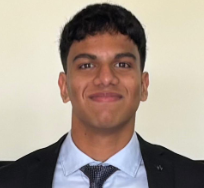
Vivek Rayjo Maliekal

Secretary General
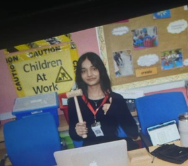
Azura Lal

Deputy Secretary General

Pranav Nair

Deputy Secretary General

Tamilore Fowler

Head of Media and Marketing
Agastya Nambiar

Deputy Secretary General

Salima Arous

Deputy Head of Media and Marketing
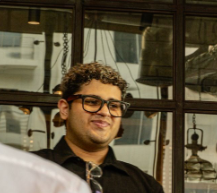
Aarav Matta

Head of Logistics and Finance
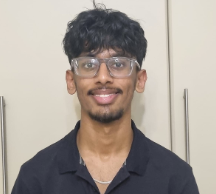
Ayaan Mubir Mohammed

Deputy Head of Logistics and Finance
Join the Movement.

Registration for delegates and organizing team applications are now open.
Secure your place at the heart of global youth diplomacy.

Delegate Registration

Participate as a representative of a nation and influence global policy.

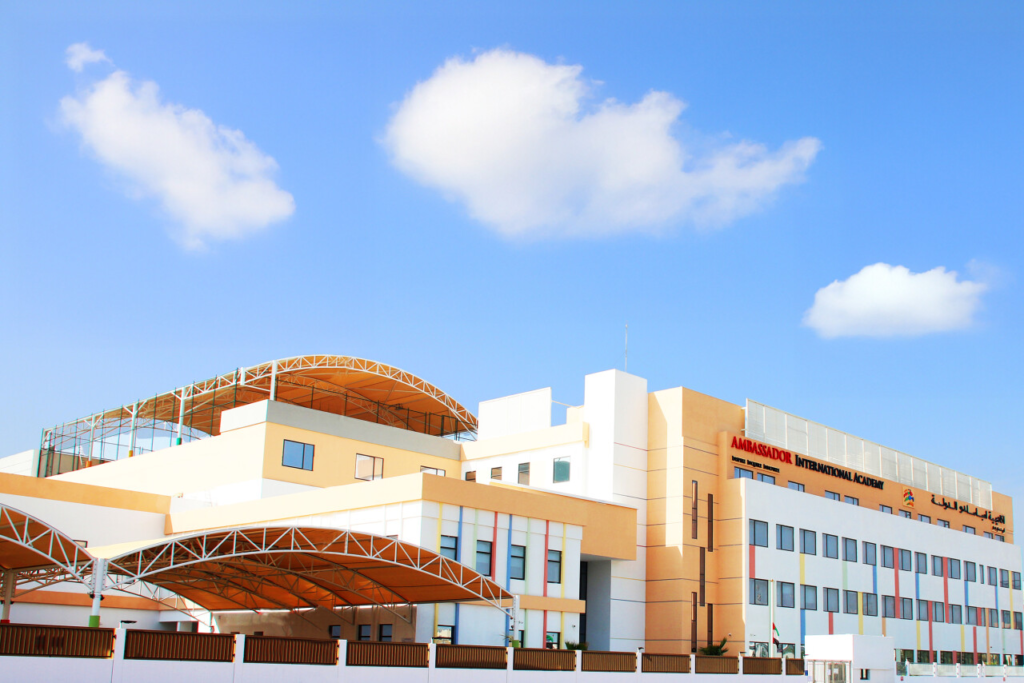
Located in the Heart of Dubai

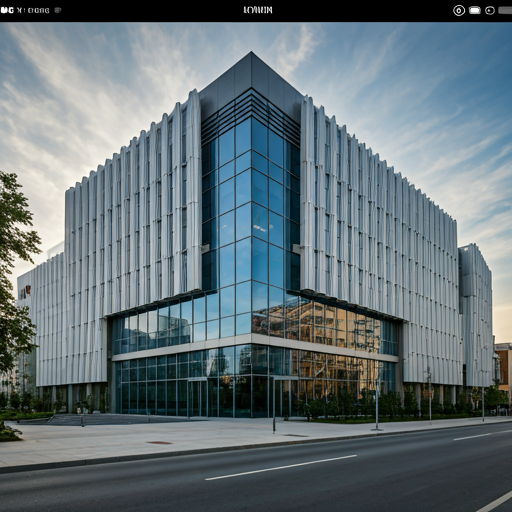
Ambassador International Academy, Al Khail, Dubai. A state-of-the-art campus designed for intellectual exchange and international collaboration.

Frequently Asked Questions

Model United Nations (MUN) is an educational simulation in which students can learn about diplomacy, international relations, and the United Nations.

Western Business Attire (WBA) is mandatory for all delegates and secretariat members during the conference sessions.

The conference is primarily open to middle school and high school students (Grades 6–12).